

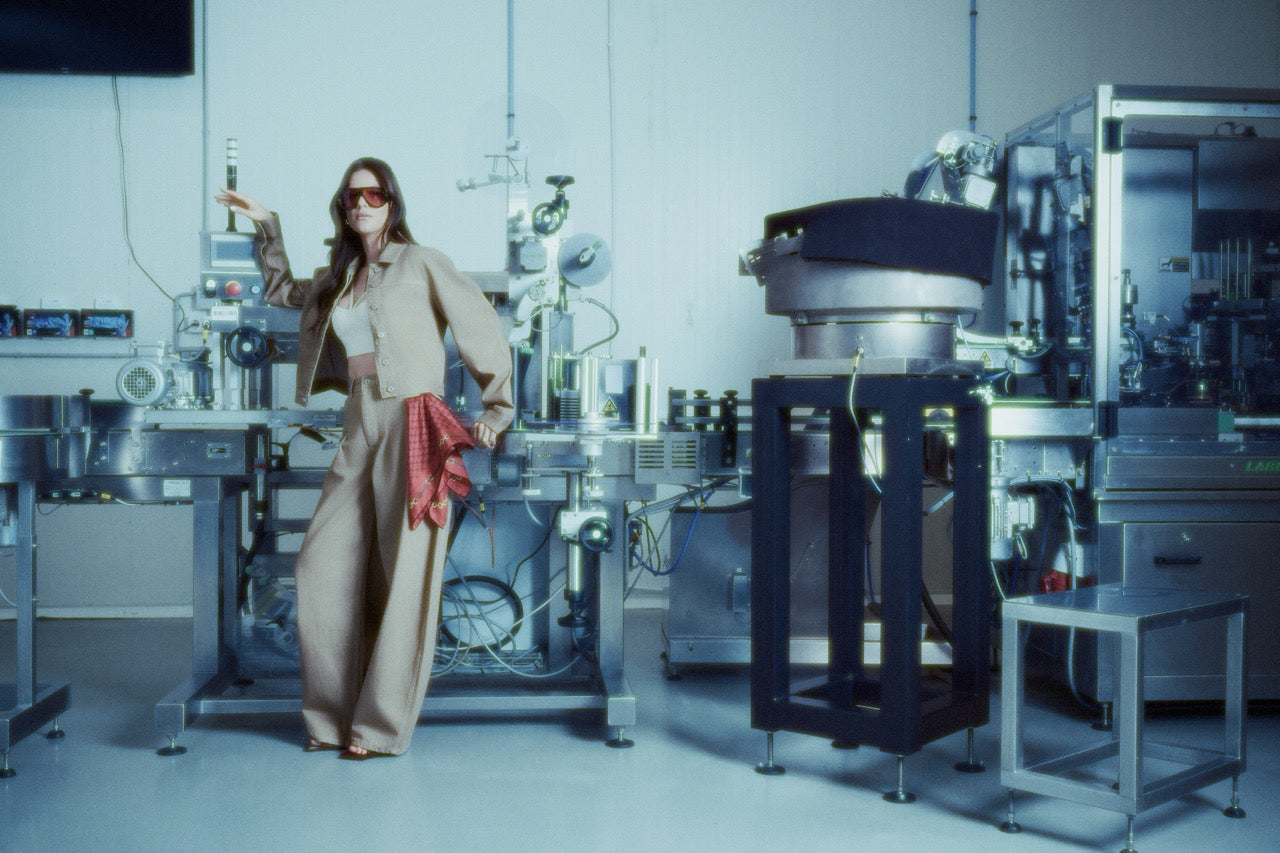
"When will it be enough?" This question has been haunting me for a while now, constantly returning to my thoughts.
When will we have enough beauty experts, cosmetic evaluators, and cosmetic creators who believe that merely wanting to is sufficient to evaluate and teach others? A couple of articles read or a few training certificates meant for professional development, not for learning something from scratch.
Books about cosmetic ingredients, articles, and social media posts are written by those who have not studied cosmetic chemistry, and few have ever seen cosmetic laboratories with their own eyes. When will it be enough to trust those who are not to be trusted?
More thoughts from Justė – in the latest issue of "ELLE"
Who truly has the right to talk about cosmetics and teach others? Justė openly shares her perspective on the competence, trustworthiness, and responsibility of beauty experts.
Read Justė's full article in "ELLE" No. 26, and find more of her thoughts and conversations in the show "Conversations by the Sea. Holiday Rhythm".

When will there be enough of yet another new bottle in the bathroom cabinet?
Even though the latter is still full and unused. Often, the consumer is convinced that new beauty hope lies in another bottle. The one not yet tried. Yesterday it was retinol. Today – peptides. And next month, it will be a bottle labeled LONGEVITY.
This problem was also loudly discussed this year by true market professionals at the main Cosmetics Europe event in Brussels. It brings together representatives and executives from the world's largest cosmetic companies, the European Commission, and cosmetic associations. For the sixth year now, I have also been a part of this international event.
During the event, I myself learned a new term:
Dunning – Kruger Effect.
He was the one scientist used
to voice the increasingly dangerous problem of consumer habits
being based on myths spread by irresponsible people.
Briefly, this effect describes a situation
where a person doesn't know and doesn't know that they don't know – in other words, a person thinks they
understand more than they actually do. It is precisely the courage and activity of such people, especially
on social networks, that causes enormous harm to users.

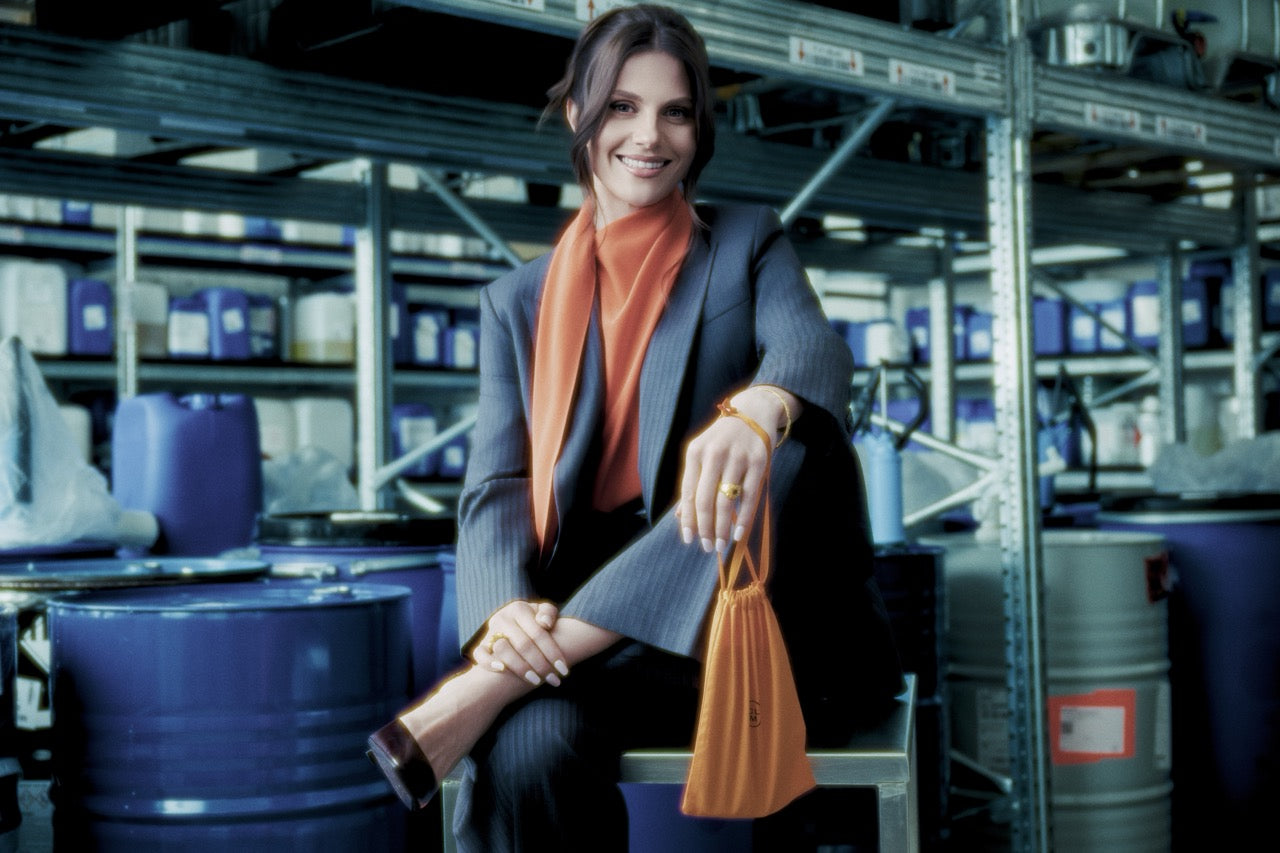
But as a user, how do you distinguish a true professional from someone who merely claims to be one?
The trouble is that real professionals, upon seeing an imposter gain confidence in the market, rarely undertake to expose them. Most often, they simply express their indignation amongst themselves and believe it's not worth wasting time discussing with someone who isn't even capable of professional debate.
I often feel guilty myself for not daring to openly challenge beauty myths that are publicly created. For my peace of mind, I choose to avoid public conflicts because they are almost guaranteed. And although it's not pleasant to admit, it's somewhat selfish, because professionals should take more responsibility to protect misinformed consumers. Because when will it be enough to mislead them?
Growth is an expression of our professionalism.
I reasonably believe that the CLM team proves its true professionalism through its work, a professionalism that knows no bounds for us. Continuous growth in every sense is the essence of our discipline.
We don't want to be selfish, we don't want to stay silent, and as professionals, we want to take responsibility for addressing market issues, so we boldly and loudly ask, "When will it be enough to live in the noise of the cosmetics market?"
Join the CLM community, become a member of our VIP club and get professional, science-based information. Trust not fairy tales, but discipline, which is needed not only when creating and using cosmetics, but also when taking an interest in and choosing them.
Disciplined, Justė
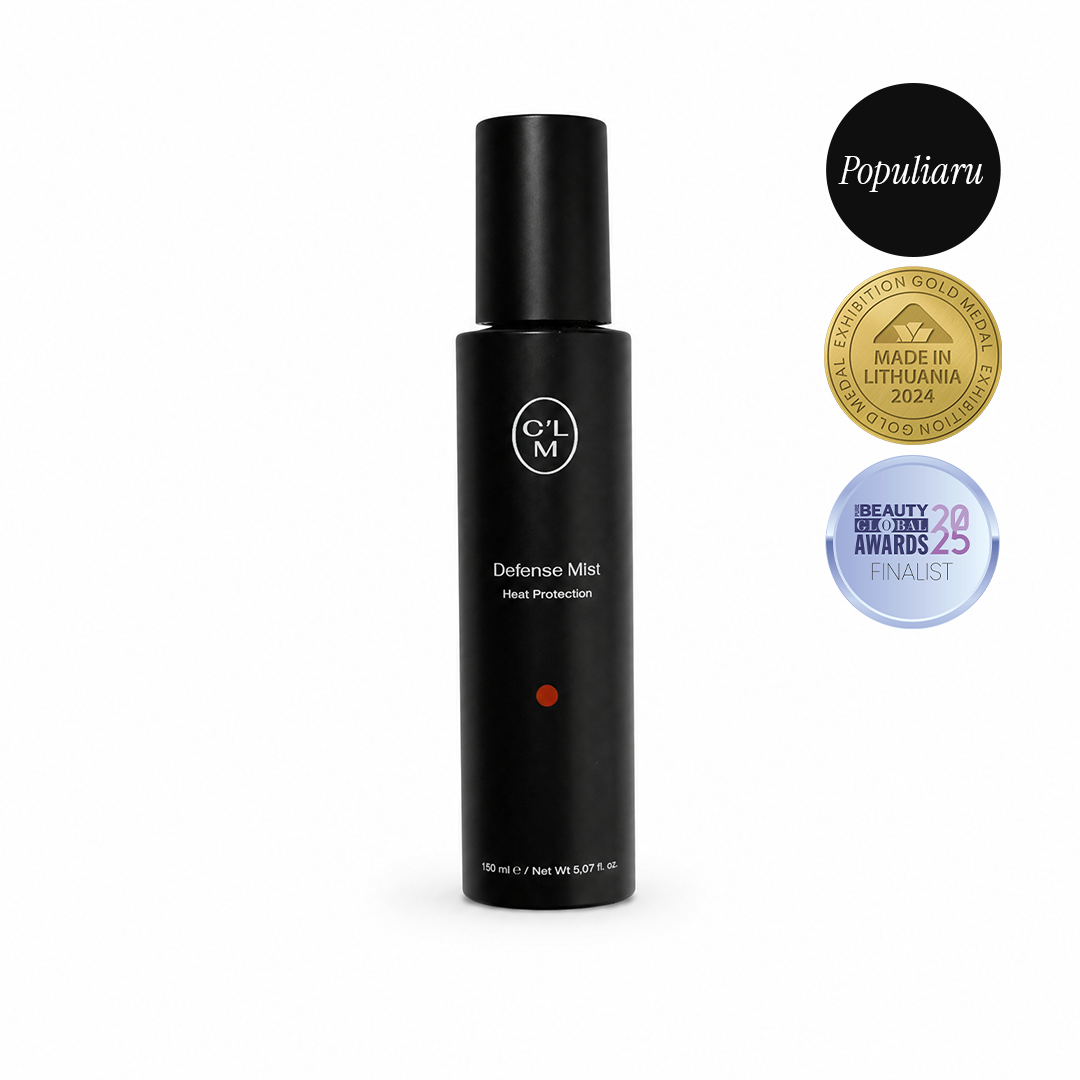
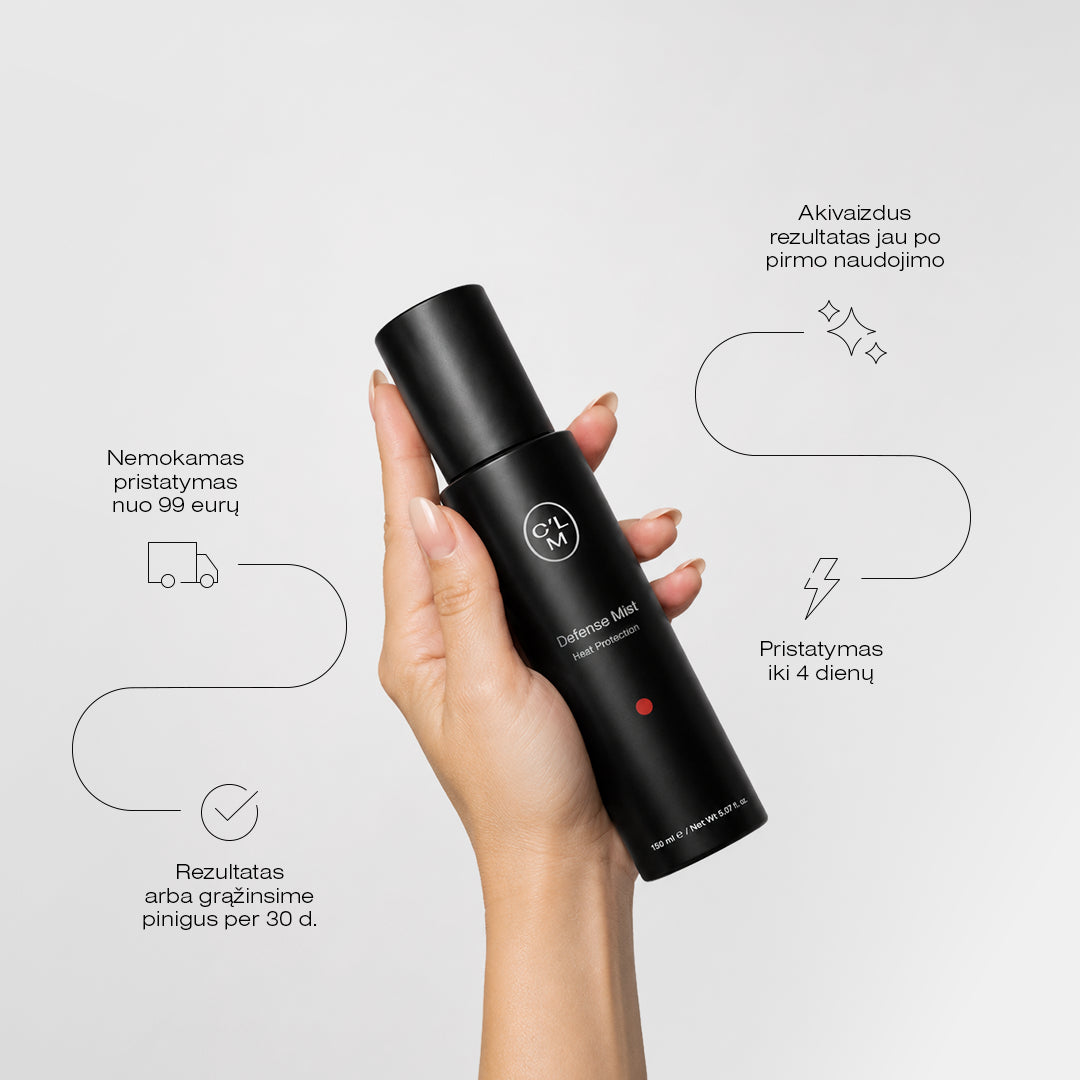
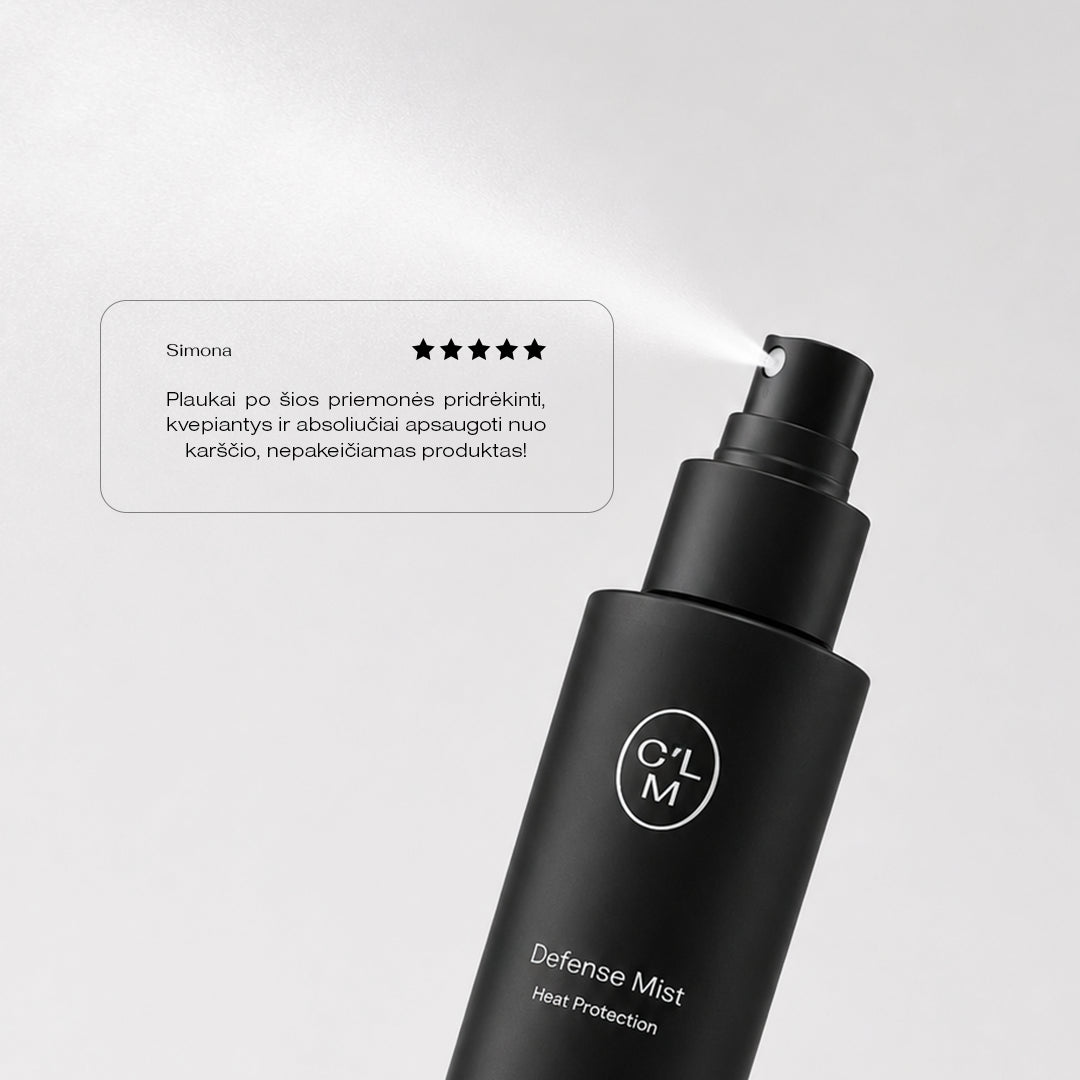
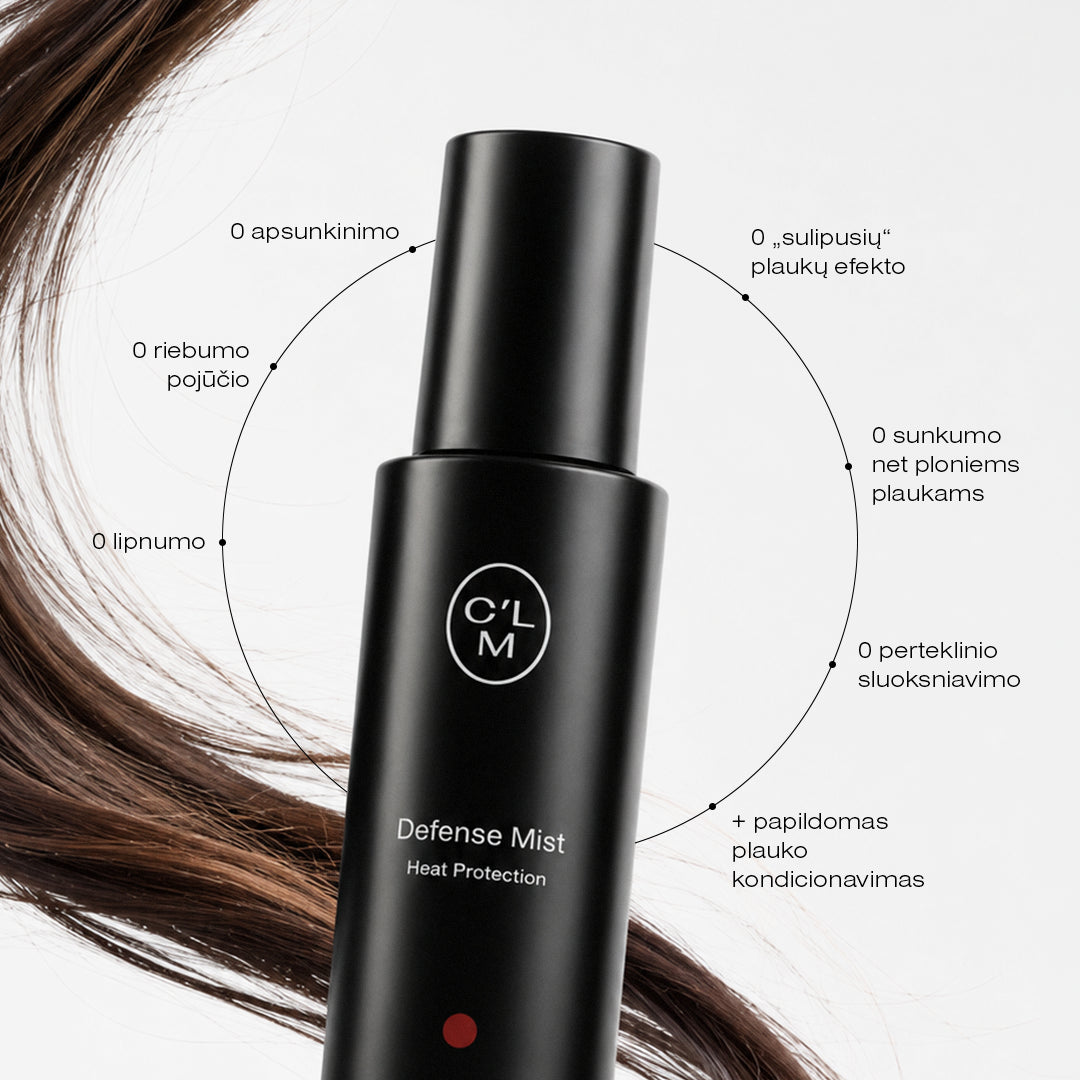
Discover science-backed products
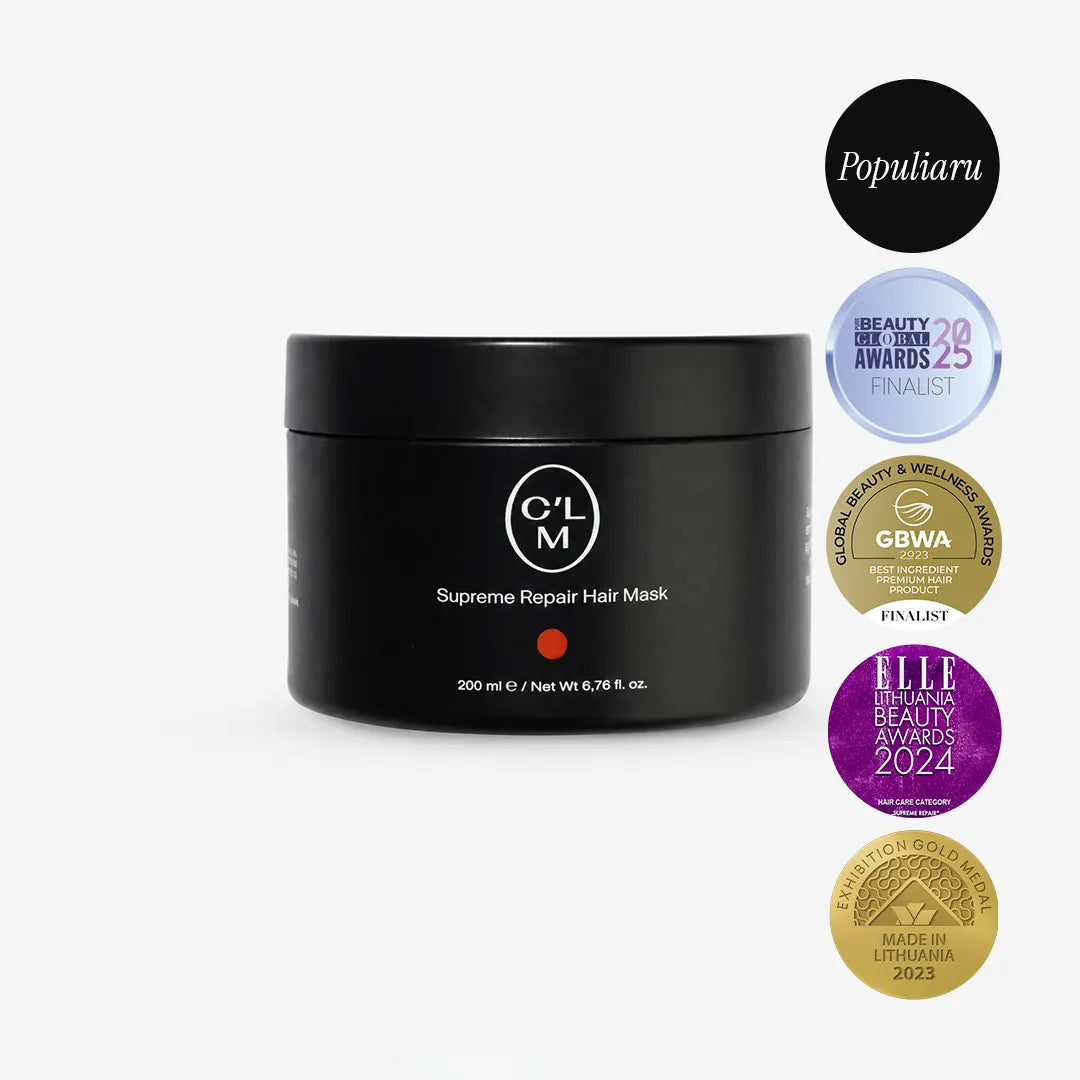



Proven science
Proven science
Proven science
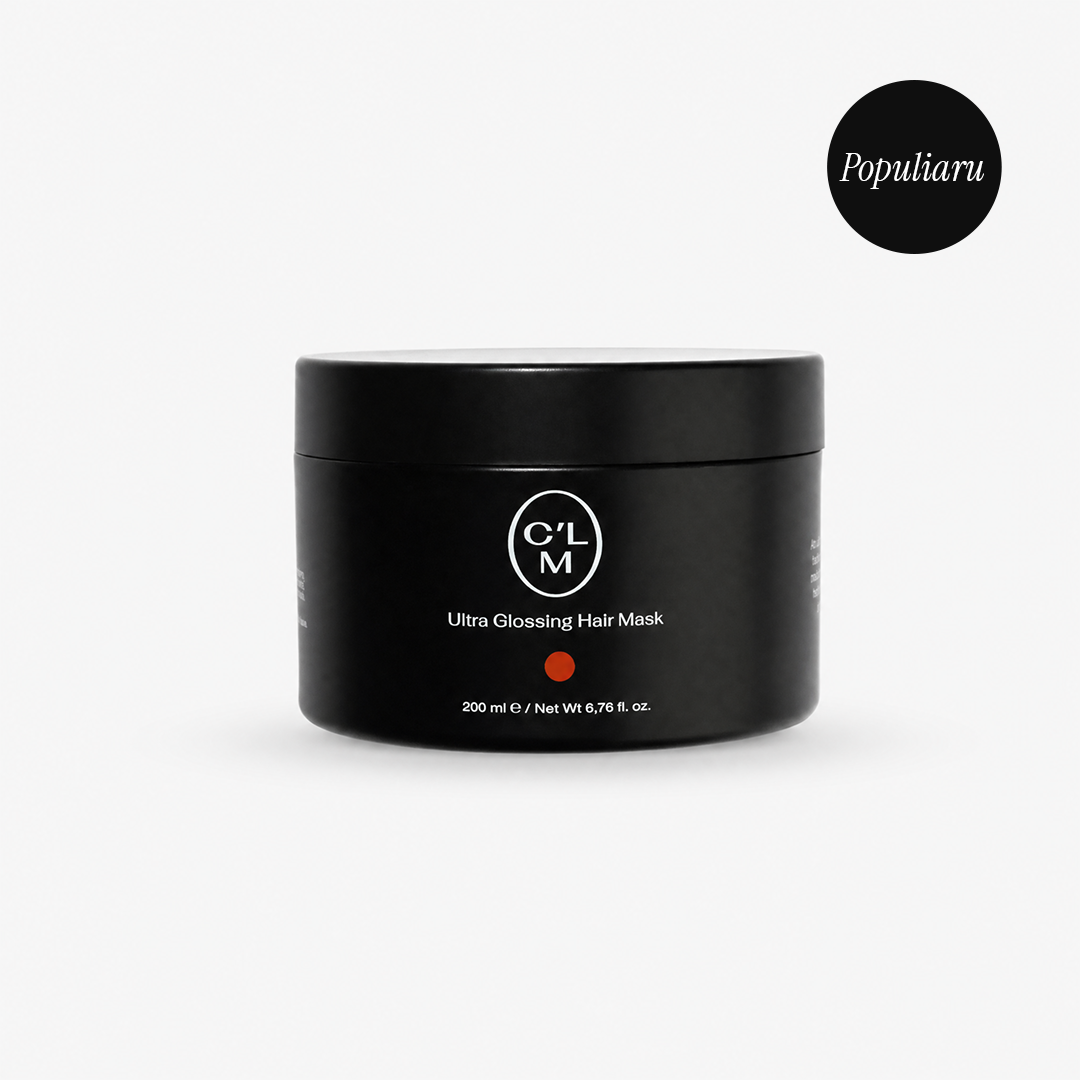


Proven science
Proven science
Proven science
Proven science
Proven science
Proven science
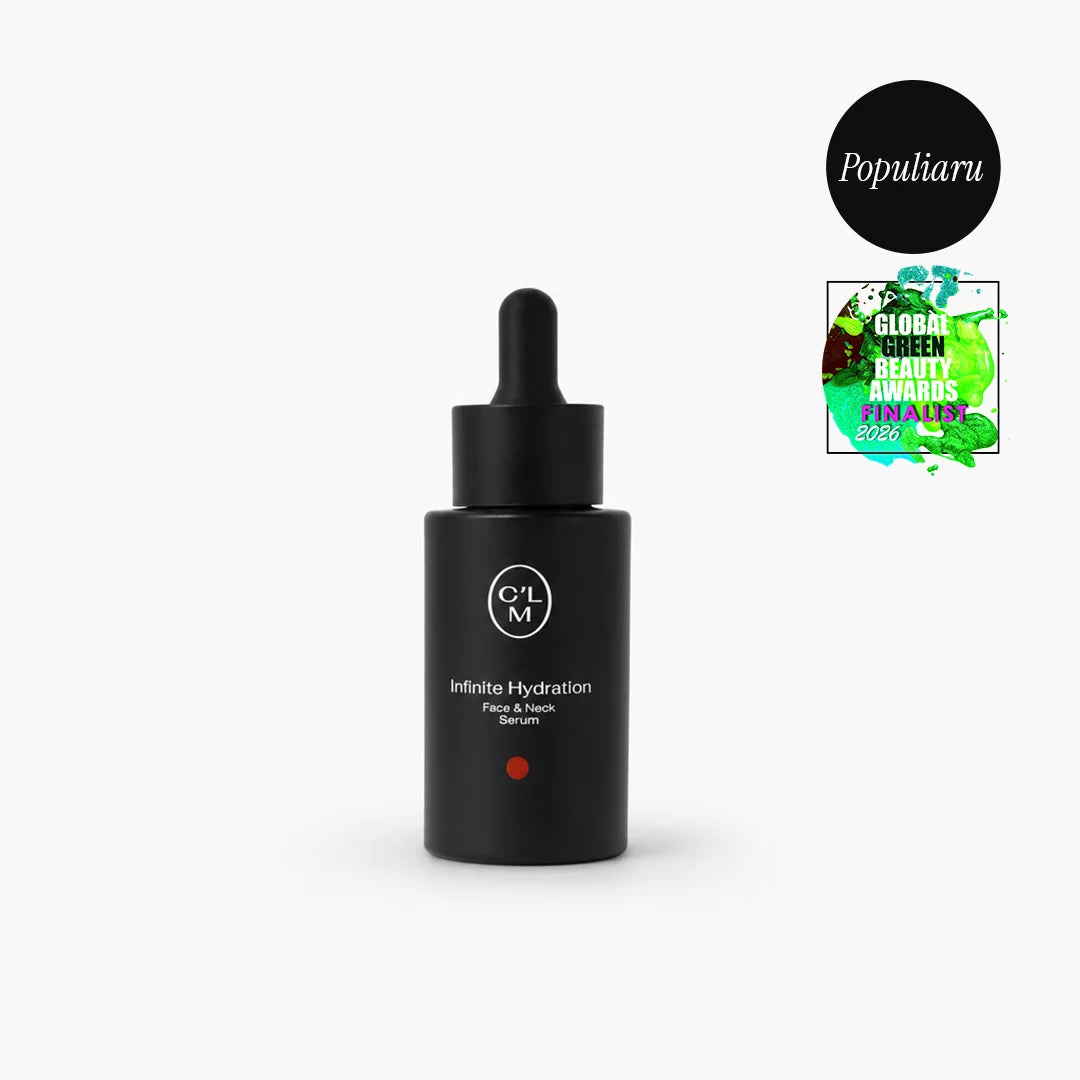

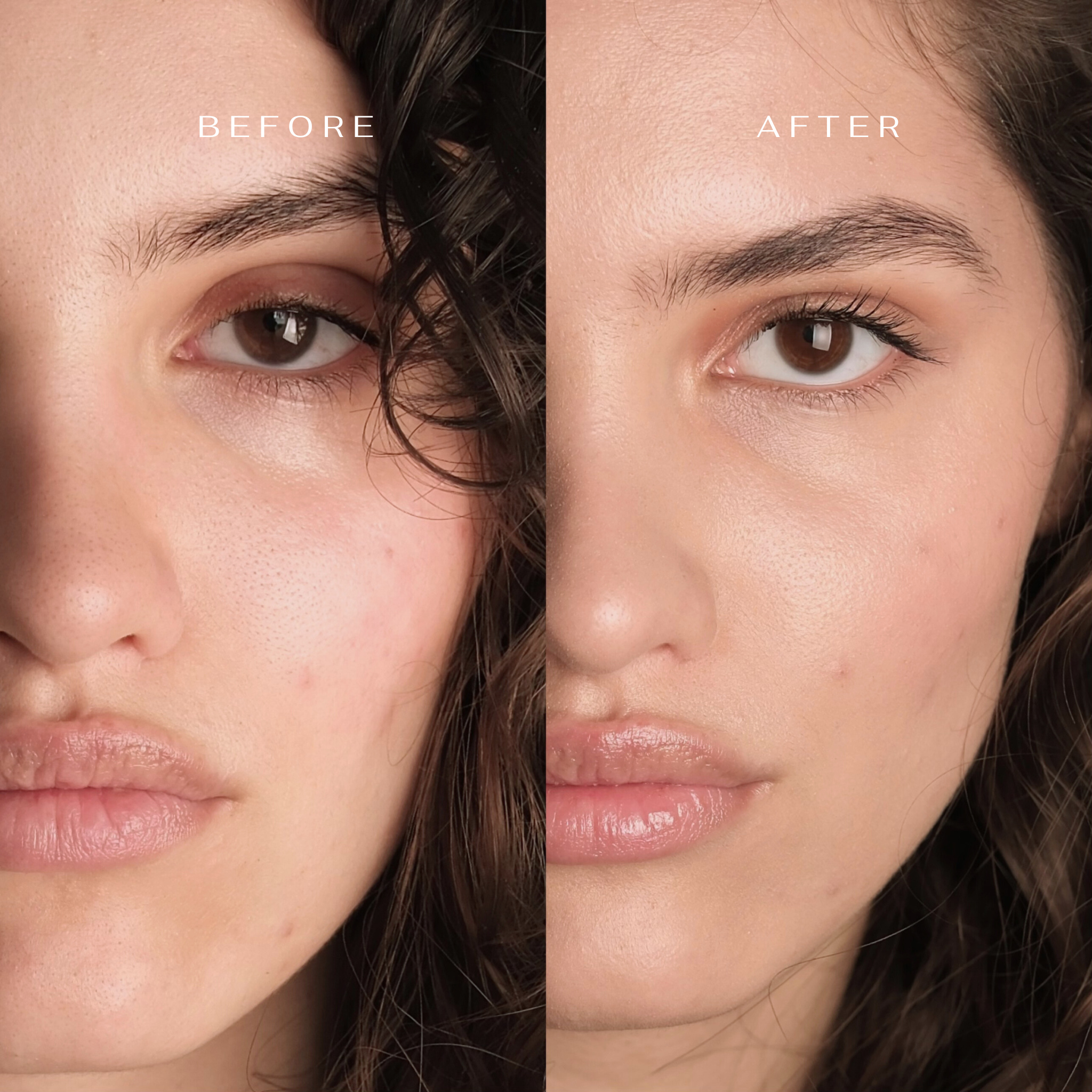

Švari sudėtis
Proven science
Proven science
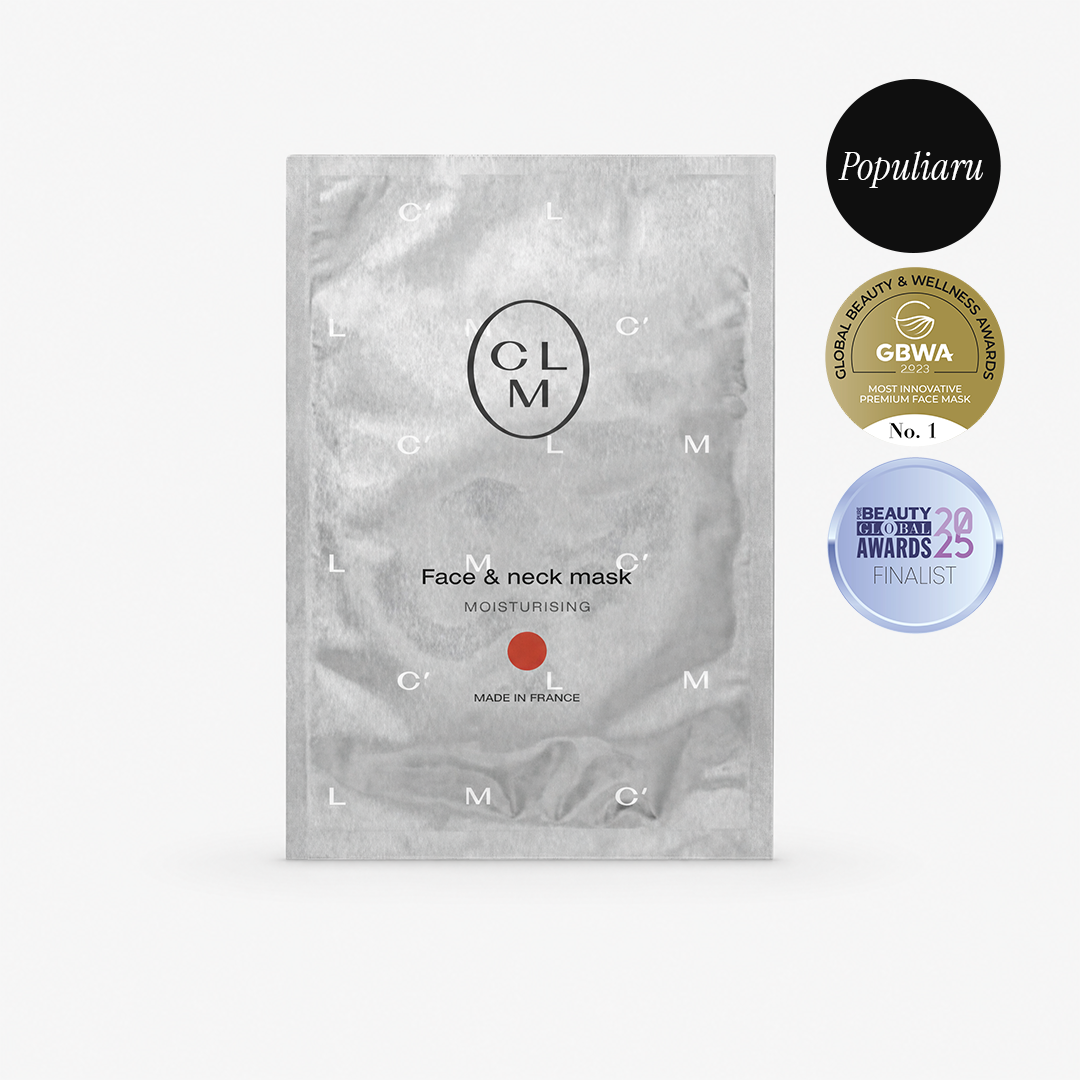
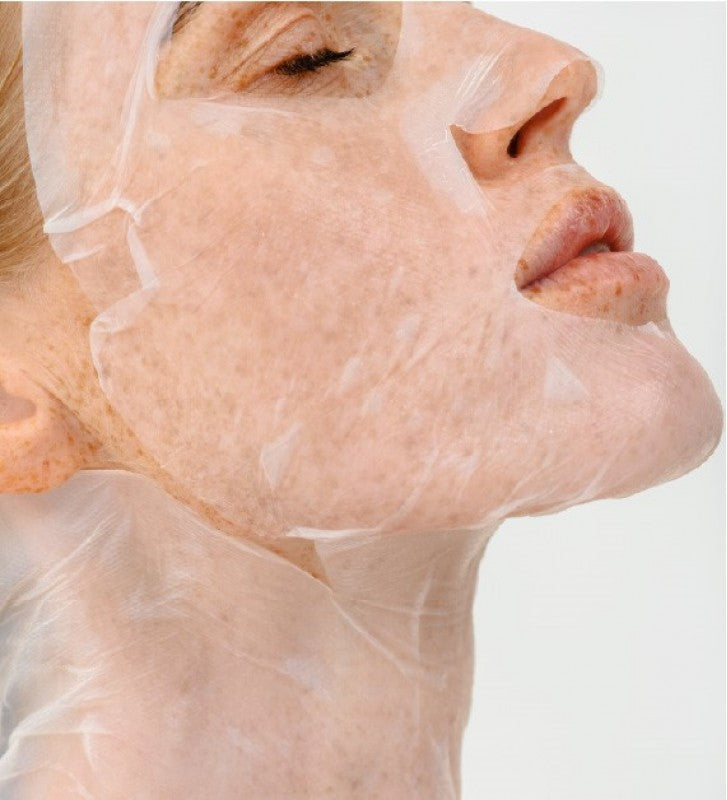
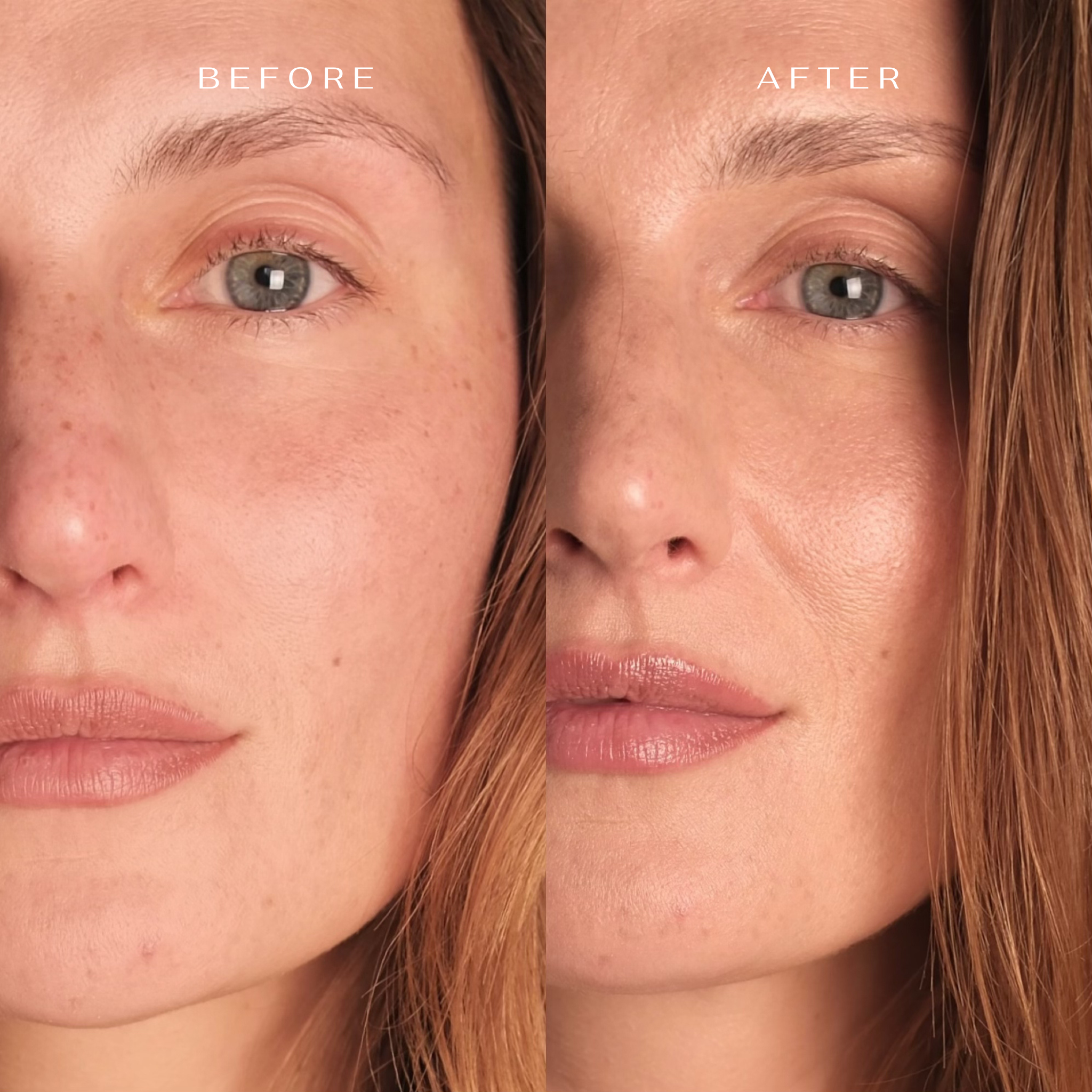

GBWA
For disciplined use
Proven science
Proven science
Proven science